
Last Updated: November 19, 2026
Quick Summary
Durable wine openers for frequent hosts have solid zinc alloy bodies, replaceable worms, and tight hinges that hold up to repeated use. Worm wear, hinge play, and gear wear are the main failure points, so check replaceability before you buy. Electric models suit hosts who open many bottles in one evening.
- Zinc alloy bodies resist the flex that loosens rivets on plastic-bodied tools.
- The worm, hinge, and gear train are the components that wear out first.
- Check whether the worm is threaded or pinned so you can replace it cheaply.
- Electric openers can remove corks in under seven seconds, according to Wirecutter.
- Brush cork debris out of the worm after every bottle to reduce friction.
Table of Contents
- Why Frequent Hosts Wear Out Cheap Wine Openers
- How We Evaluated Durability for Heavy Use
- Best Electric Wine Opener Models for 2026
- Pourers, Chillers and Coasters That Support Heavy Hosting
- Durable Wine Opener Maintenance: Keeping It Working
- Choosing Your Opener for the Next Dinner Party
- Frequently Asked Questions
Why Frequent Hosts Wear Out Cheap Wine Openers
Hosting often means opening several bottles in one evening, and that repetition is where cheap wine openers fail first, which is why hosts should look for durable wine openers built for volume. This guide is for hosts who want an opener that still works after many uses. The question is not whether a tool opens one bottle, but whether it keeps working through a long night of use.
Wine openers wear out in predictable ways. Hinges loosen, springs fatigue, and corkscrew worms bend or strip when the cork is old or the pull is uneven. A gadget that handles one bottle can struggle when the same mechanism runs through a stack of bottles.
Manual lever openers and electric models fail differently, so the right choice depends on how you host. Electric models, such as those Wirecutter's wine opener testing describes, are built around speed, which can add motor and battery wear as a trade-off.
How We Evaluated Durability for Heavy Use
Durability depends on how a tool is built and how it is used. Serious Eats opened 50 bottles of wine while testing wine openers, and for durability it opened three bottles in a row with each winning model to check mechanical reliability (Serious Eats wine opener roundup). We use the same kind of back-to-back test as our baseline: repeated pulls, not a single demo. But a single evening of three bottles does not tell a frequent host what happens after a season of dinner parties, so we extend the evaluation to the failure points that show up only under volume.
Our criteria for heavy use include:
- Build materials, such as a solid zinc alloy body versus thin plastic
- Hinge and pivot design, which decides how well use holds up
- Cork extraction without tearing or breaking the cork
- Ease of operation for guests who have never used the tool
- Power and charging behavior for electric models
- Worm (spiral) geometry and coating, which affect friction and cork tear-out
- Lever and gear-train construction on manual lever models
- Grip material and handle shape under repeated pulls
Material choice matters. Amazon's best-seller data shows that top manual openers, such as the Beneno model, emphasize solid zinc alloy bodies for longevity (Amazon Best Sellers wine openers). Zinc alloy resists the flex that loosens rivets on plastic-bodied tools, but it adds weight, which changes how the tool feels after the tenth bottle of the night.
Where Openers Actually Fail After 500+ Uses
The pattern that matters for a frequent host is mechanical wear, and it is predictable by component:
- The worm (spiral). A thin, uncoated worm can bend or strip when a host pulls at an angle or hits a dry, brittle cork.
- The hinge and pivot. Rivets and pins develop play over hundreds of cycles. Once the hinge loosens, the worm no longer enters the cork straight, and off-axis pulls accelerate wear on everything downstream.
- The gear train on lever models. Nylon or pot-metal gears wear at the teeth under repeated load; a metal gear train holds its mesh far longer but costs more and weighs more.
- Electric motors and batteries. Battery cells can degrade with charge cycles over time.
Repairability: The Question Most Reviews Skip
A frequent host may want to ask whether the worm can be replaced, since it is a common wear point. Before you buy, check the product listing for details about the worm and any replacement parts.
Hosting-Volume Fatigue Testing
Party fatigue is the gap most reviews miss. Opening ten or more bottles in one sitting accumulates hand and wrist strain, and the tool that feels fine on bottle one can be punishing by bottle eight.
Best Electric Wine Opener Models for 2026
Electric openers suit hosts who value speed. Wirecutter reports that electric wine openers can remove corks in under seven seconds, which matters when you open several bottles back to back. Lever-style openers can also pull corks in under five seconds, according to Buy Wines Online, so the speed gap is smaller than many buyers expect.
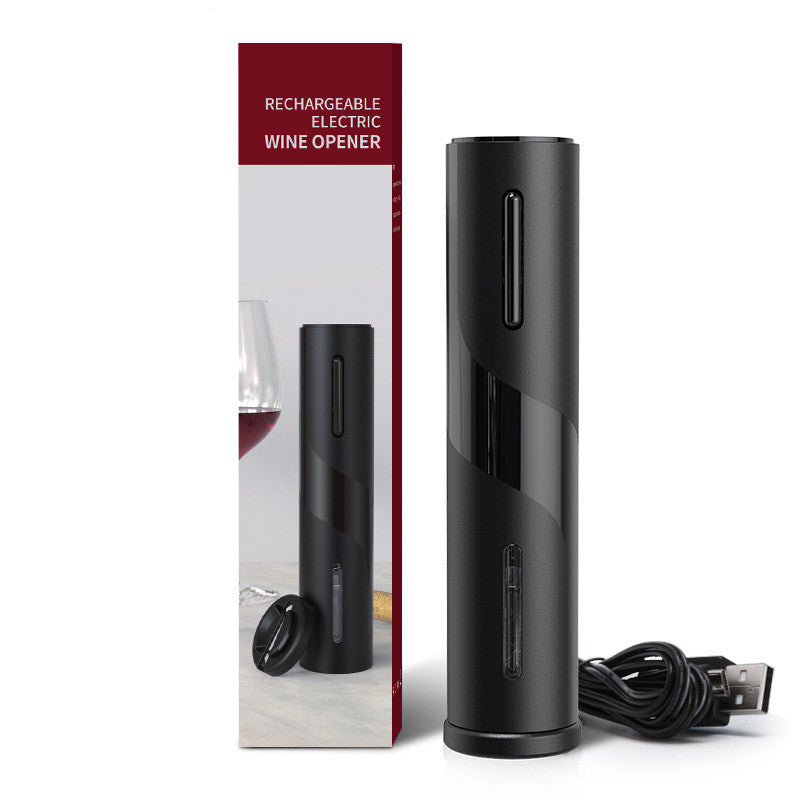
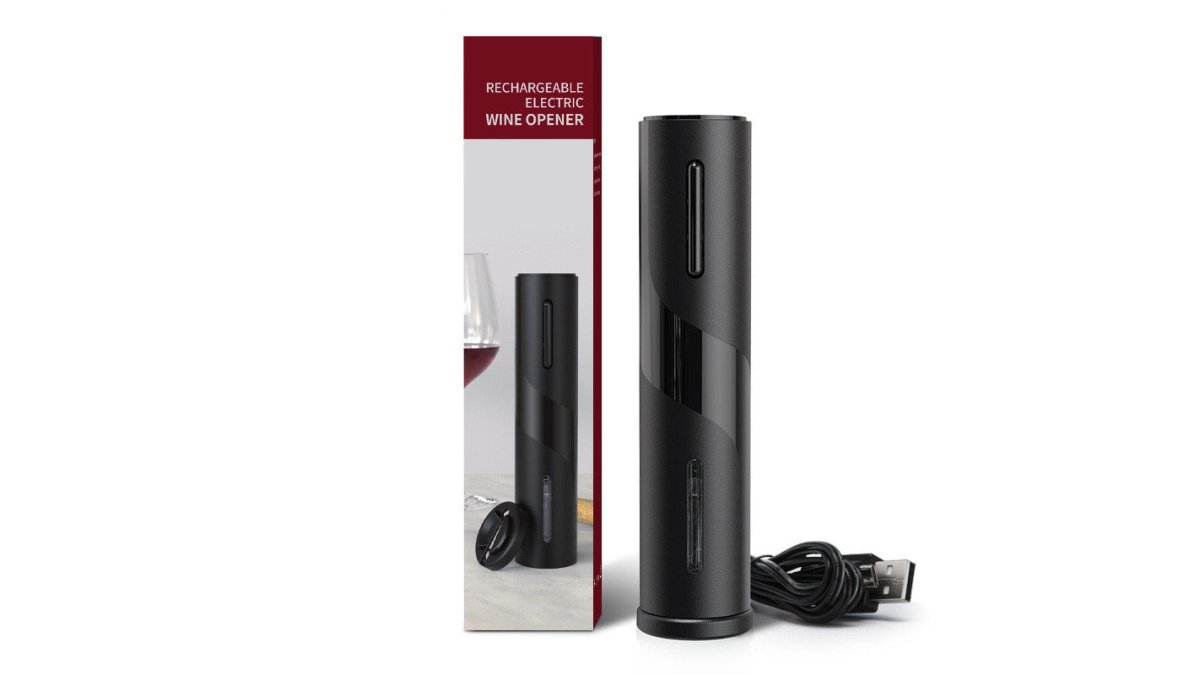
The Electric Wine Bottle Opener from AM*FAM ELECTRONICS sells for $49.50 and comes in several configurations, so you can match the kit to how often you host.
Electric Wine Bottle Opener: Single Opener vs. Sets
A single opener suits a host who wants one tool and a foil cutter. The set options add a pourer and vacuum stopper, which helps when you finish a bottle over several evenings. Choose a set if you want accessories in one box. Choose the single opener if you already own a pourer.
| Option | Includes | Best For |
|---|---|---|
| Black (Single Opener) | Opener and foil cutter, in a gift box | Occasional hosts |
| Black (4-Piece Set) | Opener, foil cutter, pourer, vacuum stopper | Regular hosts |
| Set with Storage Base | Opener and accessories in a countertop base | Hosts with limited storage |
Best for: hosts who want a complete kit in one purchase. Skip if: you only open a bottle now and then and already own a pourer.
Electric Wine Bottle Opener: Rechargeable vs. Battery-Powered
Rechargeable models use a built-in battery with a USB charging cable. Battery-powered models run on replaceable dry-cell batteries, which works well if you prefer not to charge a device.
Watch out: check the power type before you order, because the two options charge and run differently.
Pourers, Chillers and Coasters That Support Heavy Hosting
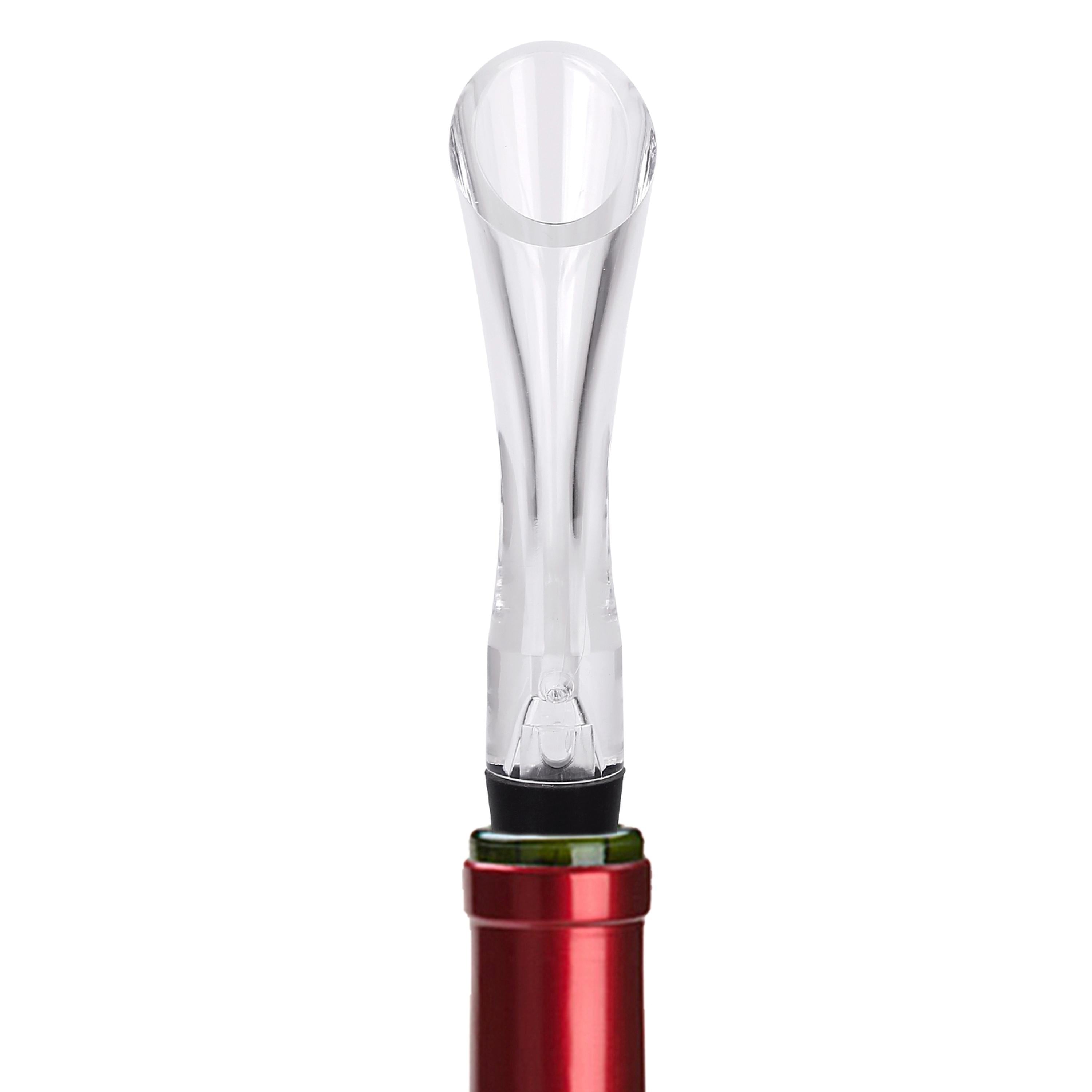
Good accessories reduce wear on your main tools and keep the table in order. The Wine Aerator & Pourer sells for $24.99 and combines an aerating chamber with an angled spout. Its rubber sealing ring helps keep it in place.
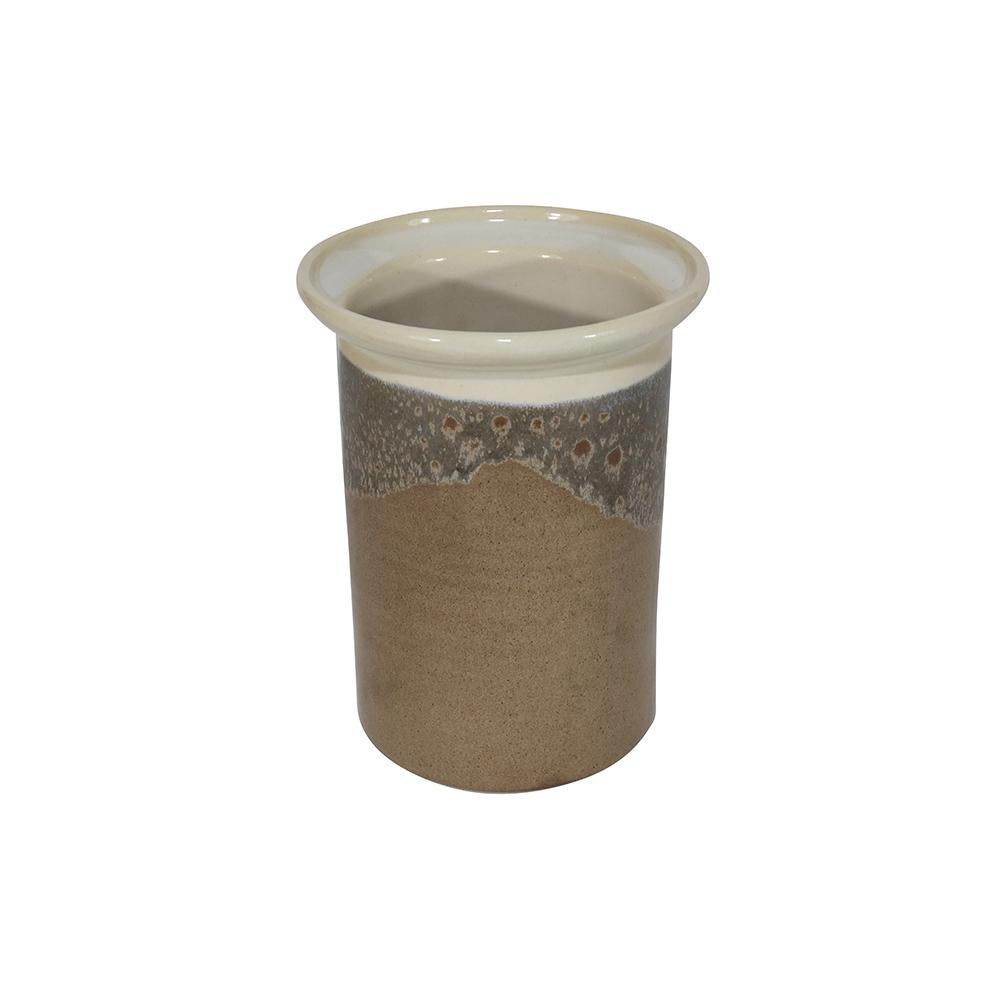
For keeping bottles cool through a long evening, the Handmade Ceramic Wine Cooler is priced at $33.00. It is dishwasher safe, microwave safe, and ovenproof, according to its listing.
The Tropical Conservatory Gold Drink Coasters cost $18.00 and feature rubber feet to protect the table. Note that the listing says they are not dishwasher safe, so polish them with a dry cloth.
Durable Wine Opener Maintenance: Keeping It Working
Routine care helps any opener, and component-level care is worth attention. Wipe the body after each use, keep the corkscrew free of cork debris, and store the tool dry. Electric models need their batteries kept charged or replaced as the manual directs. Beyond that, a frequent host should treat the worm, hinge, and gear train as serviceable parts rather than sealed ones.
Component-Level Care
- Worm (spiral). Brush out cork debris after every bottle; packed debris increases friction and forces harder pulls. A light wipe with a dry cloth is enough, and a food-safe lubricant on uncoated worms reduces drag without attracting grit.
- Hinge and pivot. Check for play before a large event. A drop of food-safe lubricant at the pivot keeps the action smooth, and any visible wobble means the pin or rivet is wearing.
- Gear train (lever models). Keep the teeth clean and free of cork dust; grit in the mesh accelerates tooth wear.
- Electric units. Charge rechargeable models fully before a party rather than topping off mid-event, and follow the manual on battery replacement for dry-cell units. Store the charger with the tool so it is not lost between gatherings.
Repairability and Replacement Parts
The worm is the primary failure point for frequent hosts, and whether it can be replaced decides the tool's real lifespan. Before you buy, check for a visible pin or threaded connection at the base of the spiral. If the worm threads out or is held by a single pin, a replacement spiral is a cheap fix that keeps the rest of the tool in service. If the worm is press-fit or riveted permanently into the frame, a bent spiral retires the whole opener. The same logic applies to lever-model gear trains and to electric units whose batteries are user-replaceable versus sealed.
Our maintenance checklist:
- Clean the corkscrew after each bottle
- Check the hinge and pivot for play before hosting
- Lubricate the pivot and uncoated worm with a food-safe product
- Confirm the worm is replaceable before you need to replace it
- Charge rechargeable models or replace dry-cell batteries
- Store the opener dry and away from heat
Sustainability: Keeping Tools Out of Landfill
Watch out: lubricating a worm with a petroleum-based product can leave residue on the cork and affect the wine, so use a food-safe lubricant and wipe off any excess before the next bottle.
Choosing Your Opener for the Next Dinner Party
Match the tool to your hosting pattern. Hosts who open several bottles a night may prefer an electric model with a rechargeable battery and a full accessory set. Occasional hosts can choose a single opener and a pourer. Pair the opener with an aerator or a ceramic cooler if you serve wine over a long evening.
Pick the configuration that fits your table and your frequency of use, then order before your next gathering. Shop the full range to compare the Electric Wine Bottle Opener options with the accessories above.
Frequently Asked Questions
Is an electric wine bottle opener worth paying more than a good manual corkscrew?
For a host opening several bottles in one evening, an electric opener saves real effort. The Electric Wine Bottle Opener from AM*FAM ELECTRONICS lists at $49.50 for a single opener, and the set options add a foil cutter, pourer and vacuum stopper. A manual corkscrew costs less and never needs charging, so it still makes sense for occasional use. If you open a bottle or two a month, a quality manual tool may be enough.
Will an electric wine opener crumble older or fragile corks?
A well-aligned spiral corkscrew pulls cleanly when it is centered in the cork and withdrawn straight. Crumbling usually happens when the spiral is off-center or the cork is very dry. Start the worm straight, let the motor do the work, and stop if you feel resistance rather than forcing it.
Will giving a wine opener make me look like I don't know what I'm doing?
No. A practical tool for wine service reads as thoughtful, especially for housewarmings and hosts who entertain often. The Electric Wine Bottle Opener is available as a single opener with a foil cutter in a retail gift box, or as a full set with a pourer and vacuum stopper.
How do I keep a wine opener working for years of frequent use?
Keep the spiral clean and dry, wipe the body after each use, and store the opener upright so the worm does not get knocked out of line. For rechargeable models, charge with the included USB cable and avoid running the battery fully flat repeatedly. Battery-powered models take replaceable dry-cell batteries, so keep spares on hand. Check the body and corkscrew for looseness every few months and stop using a tool that feels loose rather than forcing it through another bottle.
