
Last Updated: November 14, 2026
Quick Summary
A wine chiller holds bottles at the serving temperature you choose, so each glass tastes the way the winemaker intended. Warm wine can taste flat or heavy, and wine that is too cold hides its aromas. Keeping temperature under control is the main reason to use a dedicated wine chiller.
- A compressor wine cooler often lasts 10 to 15 years with proper care, according to The Horeca Store guide.
- Place a bottle in the chiller before guests arrive, so it stays cool through the meal.
- Ceramic chillers add color to the table and are dishwasher safe and lead-free.
- A chiller holds a set serving temperature without crowding your food or taking up fridge space.
Table of Contents
- Why Wine Needs Temperature Control
- How a Wine Chiller Keeps Bottles at the Right Serving Temperature
- Choosing a Wine Chiller for Your Table: Marble, Stainless Steel, or Ceramic
- Frequently Asked Questions
Why Wine Needs Temperature Control
A wine chiller holds bottles at the serving temperature you choose, so each glass tastes the way the winemaker intended. Warm wine loses freshness and can taste flat or heavy. Wine that is too cold can hide its aromas. Keeping control of temperature is the main reason to use a dedicated chiller.
A compressor wine cooler is often described as lasting 10 to 15 years with proper care, according to The Horeca Store wine cooler guide. That durability makes it a practical investment for regular hosts.
How a Wine Chiller Keeps Bottles at the Right Serving Temperature
A wine chiller keeps bottles cool once they reach the right serving temperature, so you do not have to rush them into an ice bucket mid-dinner. Place a bottle in the handmade ceramic wine cooler from AM*FAM ELECTRONICS before guests arrive, and it stays cool through the meal. Built to fit even wide-bodied bottles, the handmade ceramic wine chiller can be placed in the fridge before company arrives.
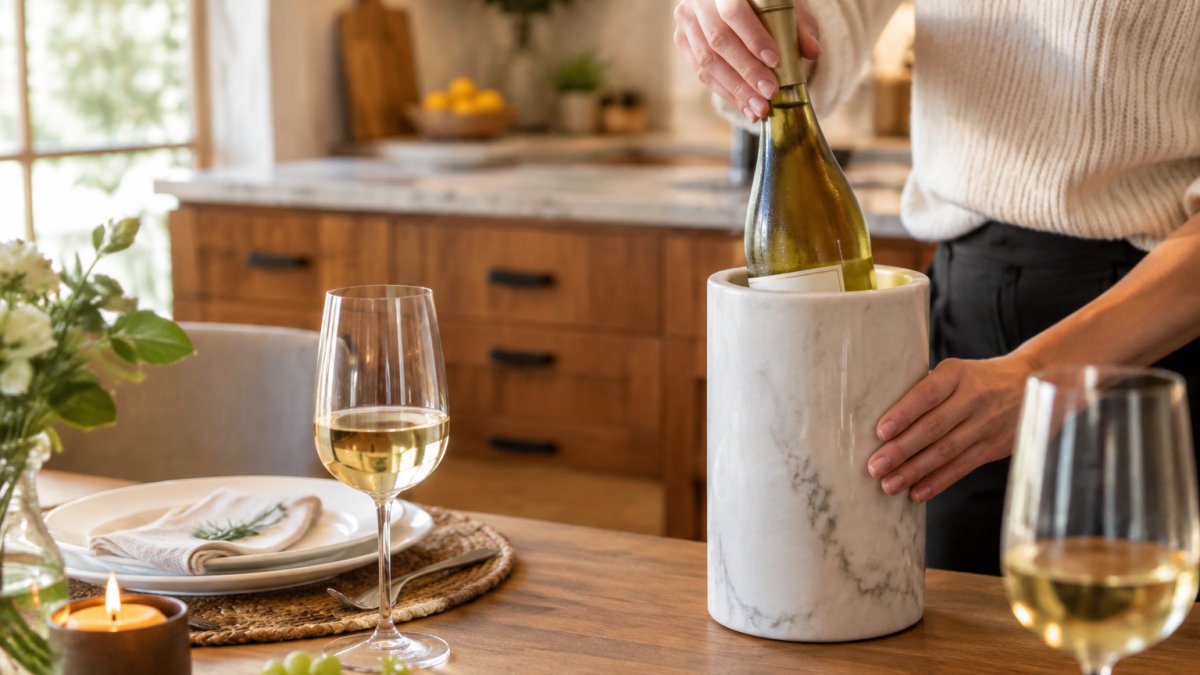
For a wider look at hosting, see how to host a wine tasting, which walks through serving wine at home.
Choosing a Wine Chiller for Your Table: Marble, Stainless Steel, or Ceramic
Each material suits a different table. Ceramic adds color, and the handmade ceramic wine chiller is dishwasher safe and lead-free. Pick the material that matches your table and how often you host.
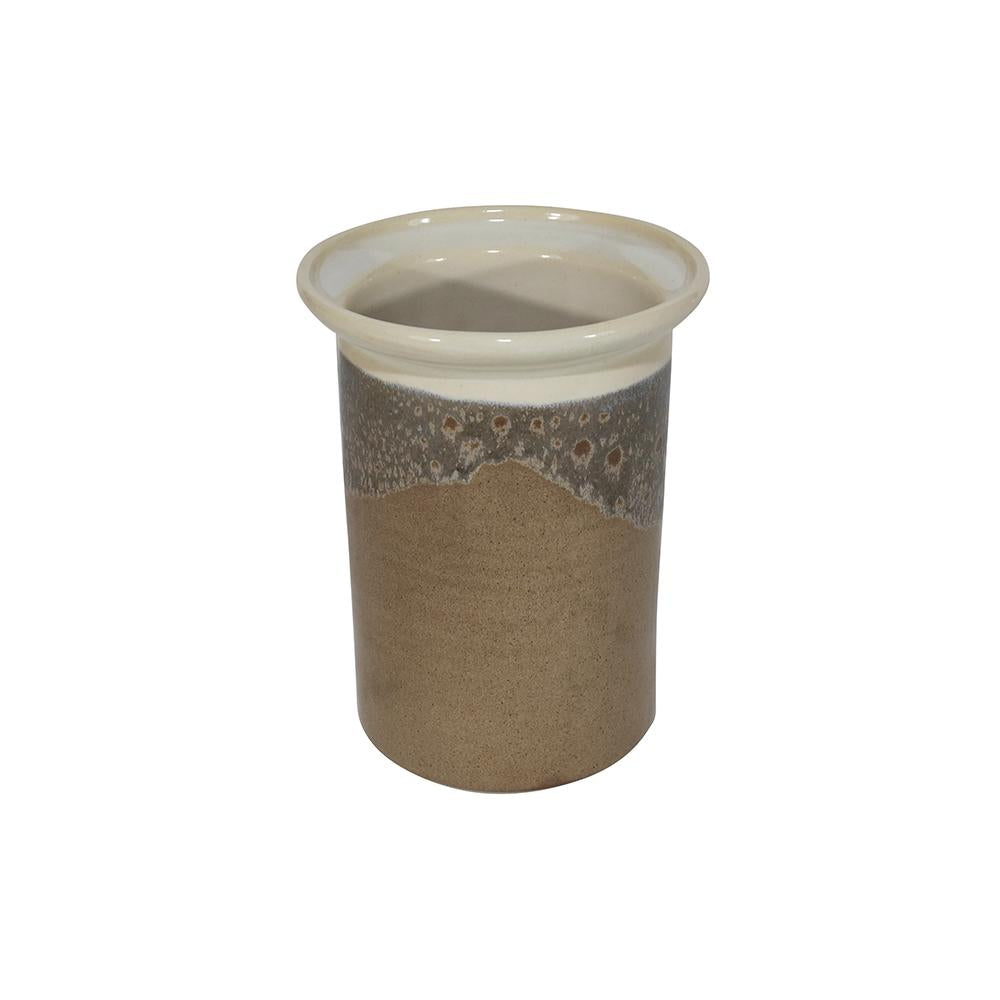
Each material suits a different table, and the handmade ceramic option is one example the article covers.
| Material | Best for | Key point |
|---|---|---|
| Ceramic | Adding color to the table | Dishwasher safe and lead-free |
| Marble | Not covered in detail | Choose by table and hosting frequency |
| Stainless steel | Not covered in detail | Choose by table and hosting frequency |
Frequently Asked Questions
Is a wine chiller necessary?
A wine chiller is not strictly necessary, but it is useful if you serve wine over a long meal. A regular refrigerator can chill a bottle to serving temperature, and that works well for most households. A dedicated chiller becomes worthwhile when you want wine to stay at the right temperature on the table, since bottles warm up quickly in a warm room. Chillers also save refrigerator space when you host, which is a practical benefit for busy hosts.
How do you use a wine chiller bucket?
Fill the bucket with ice and cold water, then set the bottle inside so the liquid reaches the neck. Add more ice as it melts to keep the bottle cool through the meal. A handmade ceramic wine chiller can be placed on the table.
How does a stainless steel wine cooler work?
A stainless steel wine cooler conducts cold from ice and water to the bottle quickly, and the metal holds its chill well. Because stainless steel is durable and easy to clean, it suits frequent use at dinner parties. Many models have insulated walls that slow warming once the bottle leaves the cooler. Keep the bottle in the cooler during service to maintain a steady temperature.
