
Last Updated: November 13, 2026
Quick Summary
To host a wine tasting at home, first pick a theme, a guest count and a focused lineup of about six wines. Pour 1 to 2 ounces per person per wine, add a 20 percent buffer, and set out glasses, a bottle opener and a chiller. Then guide guests through a simple look, swirl, smell and sip routine.
- Decide on a theme, guest count and wine lineup before buying anything.
- Pour about 1 to 2 ounces per person per wine and add a 20 percent buffer.
- Keep the lineup to six to eight wines so palates stay fresh.
- Use a blind format by wrapping and numbering bottles and keeping a private key.
- Serve plain palate cleansers like water and unsalted crackers between wines.
Table of Contents
- What You Need Before You Plan a Wine Tasting
- How Many Guests and Bottles to Plan For
- Essential Wine Tasting Tools for Hosts
- How to Host a Blind Wine Tasting Party at Home
- How to Taste: Look, Swirl, Smell, Sip
- Wine Tasting Party Food Pairings and Palate Cleansers
- Wine Tasting Party Checklist and Tasting Scorecards
- Planning Your First Wine Tasting Night
- Frequently Asked Questions
What You Need Before You Plan a Wine Tasting
Learning how to host a wine tasting at home is a matter of structure, and planning it well is what separates a relaxed evening from a scramble. This guide is for hosts who want stylish, functional tables and an easy ritual from start to finish. Before you buy anything, decide on a theme, a rough guest count and a wine lineup, because those three choices drive every other decision.
Start with the theme. A regional flight, a single grape variety or a blind format each needs different wines, glassware and handouts. Write the theme down in one sentence so every later choice has something to answer to. Then choose your format: a casual pour-and-talk evening or a structured tasting with scorecards.
Next, set your space. Clear a table large enough for every glass, a water station and a place for bottles to rest between pours. Keep lighting warm and even, and keep strong candles or fragrant flowers away from the wine. The goal is to let guests see color and smell aroma clearly.
Finally, plan the logistics: how guests will be seated, where spit or dump cups will go, and what you will serve between wines. A short written run sheet keeps you from improvising mid-event.
How Many Guests and Bottles to Plan For
The right bottle count depends on how many people attend and how many wines you pour. For a home wine tasting, a small gathering often works well with 4 to 6 bottles for a relaxed format. A structured tasting with more variety can call for 8 to 10 different wines, with each wine poured in small amounts.
Pour size matters more than most hosts expect. A tasting pour of about 1 to 2 ounces per person per wine is enough to smell and sip without filling the glass. Use these numbers to work backward from your guest count: multiply guests by pour size, then by the number of wines, and add a buffer of roughly 20 percent.
Keep the lineup manageable. Ten wines in a single evening overwhelms most palates, so a focused set of six to eight usually delivers the better experience.
Essential Wine Tasting Tools for Hosts
A good wine tasting depends on a handful of tools that are easy to overlook. Most hosts need only a few pieces, and choosing them carefully keeps the table tidy and the wine tasting well. Focus on what guests will actually touch: glasses, a way to open bottles, a place to set glasses down and a way to keep white wine at the right temperature.
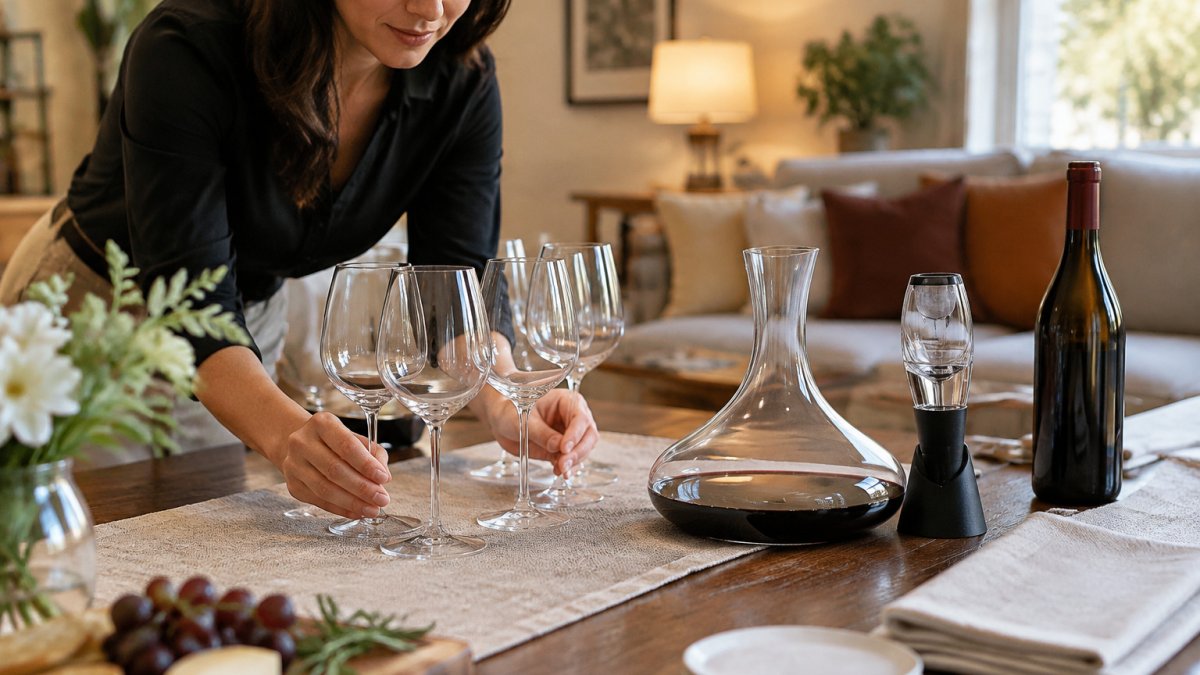
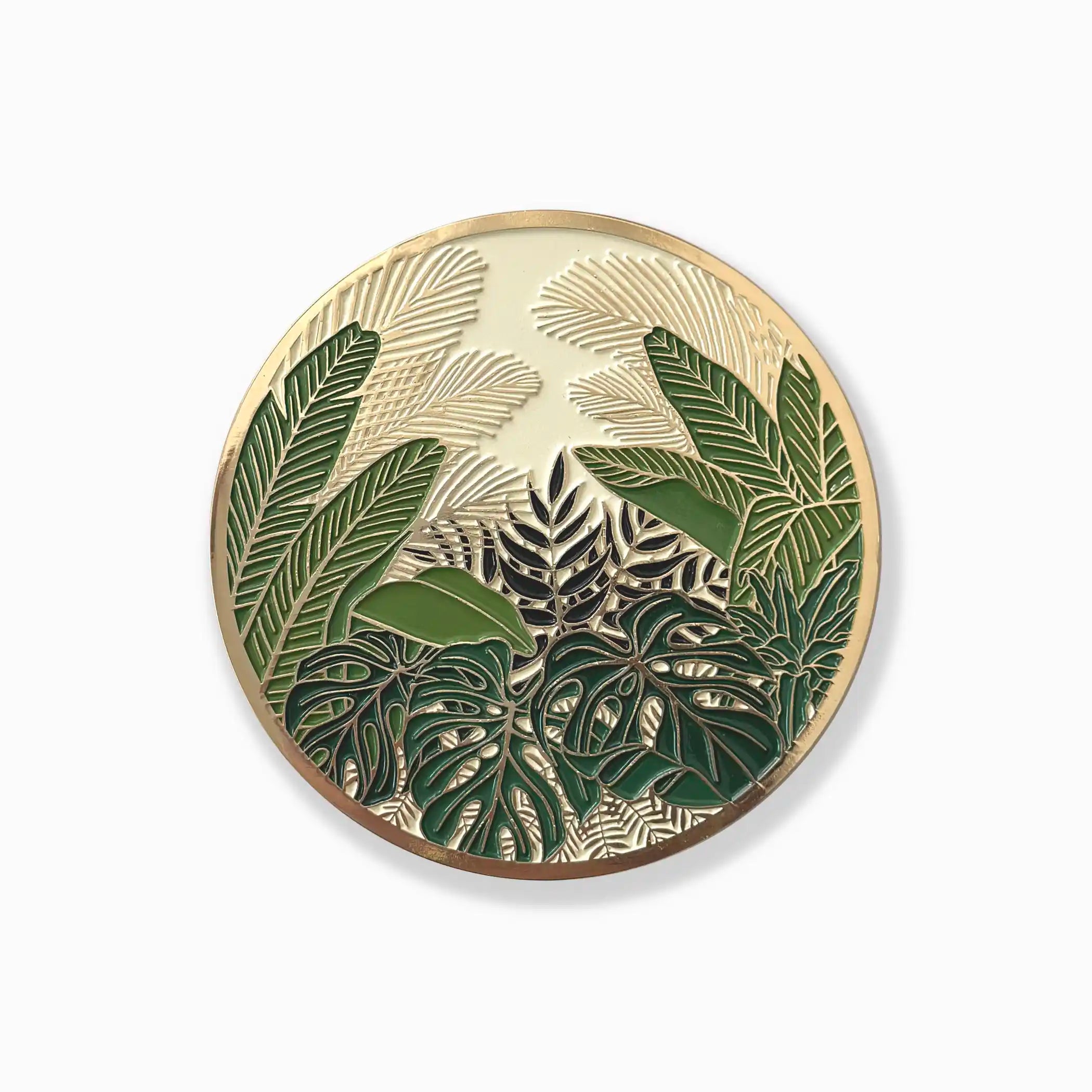
Pair these tools with the rest of your table styling. Coasters protect surfaces from condensation, and a single well-chosen serving piece can tie the whole setting together. The sections below cover the specific items to plan for.
Glassware, Decanting and Aerating
Use one glass per guest per wine style if possible, or rinse and reuse a single set between pours. A tulip-shaped glass concentrates aroma and makes swirling easier, which is why it suits most tastings. Fill each glass only to about one-third of its capacity so guests can swirl without spilling.
Aerating softens young, tight red wines. A wine aerator and pourer introduces air as the wine flows out, and its transparent design lets guests watch the wine move through the chamber.
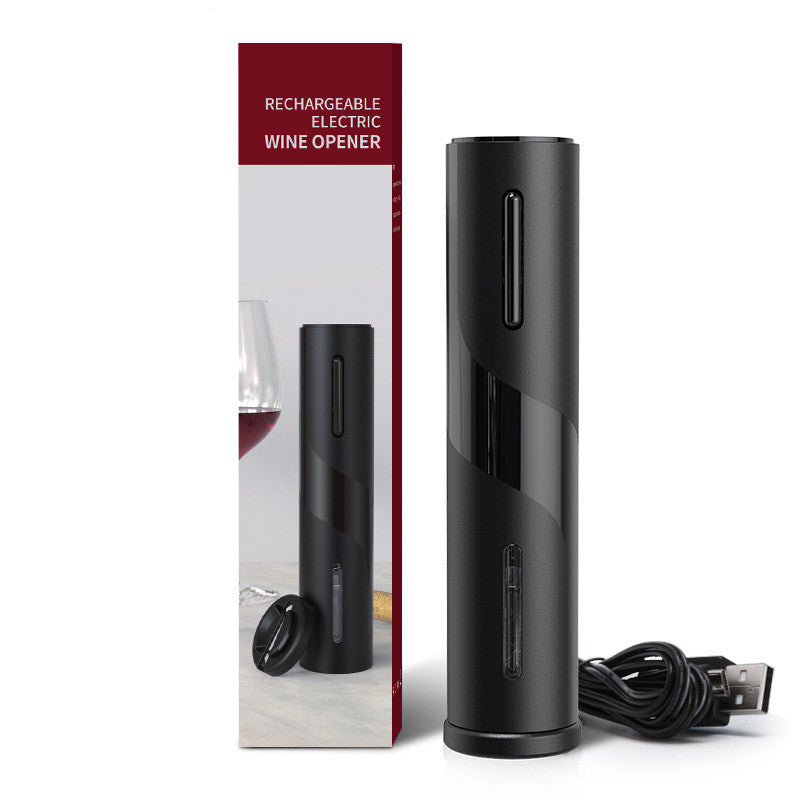
For bottle opening, an electric wine bottle opener can make opening several bottles quicker than a manual corkscrew. Pick a model with a sturdy hook and check whether it is rechargeable or battery-powered before you buy, since that affects how you plan for charging ahead of the event.
Chilling, Serving and Storing Wine
Temperature changes how a wine tastes, so plan it before guests arrive. Whites and rosés generally show best when chilled, while reds taste better slightly below room temperature. A ceramic wine chiller can be placed on the table to help keep a bottle cool and adds a decorative touch.
Store unopened bottles in a cool, dark place until the event. Serve reds at a cool room temperature and bring whites out of the fridge only shortly before pouring. Keep spare bottles out of direct sunlight on the day of the tasting, because heat is the fastest way to spoil a wine you have carefully selected.
How to Host a Blind Wine Tasting Party at Home
A blind tasting removes the labels, so guests judge each wine on what is in the glass. It is one of the most engaging formats for a home host, and it needs only a little preparation. Wrap each bottle in a paper sleeve or a dark cloth and number it, then keep a private key showing which number matches which wine.
Give guests a simple scorecard, a pen and a short list of attributes to notice, such as color, aroma, body and finish. Pour the wines in a consistent order, lightest to heaviest, so the tasting builds naturally. Reveal the labels only after everyone has recorded their impressions, which turns the reveal into the high point of the evening.
Blind tastings work best with a theme that gives guests a shared frame, like two or three grape varieties from the same region. A mixed lineup of unrelated wines makes the comparison harder to follow and can leave guests guessing without a reference point.
How to Taste: Look, Swirl, Smell, Sip
Walk guests through a repeatable routine so the tasting feels deliberate rather than random. Each step builds on the last, and a short demonstration at the start of the evening helps everyone follow along.
- Look. Hold the glass against a white background and note the color and clarity. Deep color often signals a fuller, more concentrated wine, though it is not a reliable guide to quality on its own.
- Swirl. Rotate the glass gently on the table to release aromas. Watch the legs, the streaks that run down the sides, which show the wine's alcohol and body.
- Smell. Bring the glass to your nose and breathe in briefly. Try to name what you notice, such as dark fruit, citrus, pepper or oak, and compare the aroma with the first impression after a few seconds.
- Sip. Take a small amount and let it cover the whole tongue. Note the acidity, the tannins in red wines and the finish, which is how long the flavor lingers after you swallow.
Encourage guests to use the spittoon or dump cup between pours, especially in a longer tasting, so that the later wines are not compromised by the earlier ones. Palate fatigue sets in quickly, and guests who spit tend to stay sharp for the whole lineup.
The four-step tasting routine is easy to follow when each step has a clear purpose.
| Step | What to do | What to notice |
|---|---|---|
| Look | Hold the glass against a white background | Color and clarity |
| Swirl | Rotate the glass gently on the table | Legs, the streaks running down the sides |
| Smell | Bring the glass to your nose and breathe in briefly | Aromas such as dark fruit, citrus, pepper or oak |
| Sip | Take a small amount and let it cover the tongue | Acidity, tannins, and finish |
Wine Tasting Party Food Pairings and Palate Cleansers
Food helps guests pace themselves and gives the palate a reset between wines. Choose plain, neutral items rather than heavily seasoned dishes, because strong flavors can mask the wine. Crackers, mild cheeses, sliced baguette and fresh fruit work well, as do simple charcuterie selections that do not overwhelm the tasting. A palate cleanser clears the mouth between wines. Plain water, unsalted crackers and green apple slices are reliable choices. Avoid anything sweet or strongly flavored during the tasting, since sugar and spice can make the next wine taste flat or bitter.
Match food to the wine style when you can. Salty cheese pairs well with sweeter wines, while rich, fatty foods complement wines with firm tannins. A brief note on the pairing for each wine helps guests see how the food changes the taste. Keep portions small, roughly a bite or two per wine, so guests are tasting rather than dining when you host a wine tasting, and set the food on a separate table or board so crumbs and oils stay away from the glasses.
The first is inclusivity: not every guest drinks alcohol, and a tasting that offers nothing else can leave a guest nursing water all evening. Set out a non-alcoholic alternative for each flight, such as a de-alcoholized wine in the same style as the wine being poured, a sparkling water with a citrus twist, or a simple shrub or tea-based mocktail. Serve it in the same glass shape so the non-drinker still takes part in the look, swirl and smell routine, and include it on the scorecard so their notes count. A quick check when you send invitations about dietary needs and whether guests prefer non-alcoholic options saves awkwardness on the night.
The second is waste. A tasting generates a surprising amount of glass, paper and half-empty bottles. Use reusable spittoons or dump cups rather than disposable ones, set out cloth napkins or a small towel instead of a stack of paper, and keep a labeled pitcher for the wine guests dump so it can be discarded in one place rather than down the sink glass by glass. Leftover wine that was poured but not finished can go back into a stoppered bottle for cooking, and the cheese rinds, bread ends and fruit cores can be composted. None of this adds cost, and guests tend to notice a host who has thought it through.
Wine Tasting Party Checklist and Tasting Scorecards
A checklist keeps the event on track and prevents the common last-minute gaps. Before guests arrive, confirm the following:
- Wine lineup selected and bottles counted against your pour math
- Glassware clean, one per guest per wine style or a rinse station ready
- Electric wine bottle opener charged or batteries checked
- Chiller ready for whites and rosés
- Coasters placed to protect the table
- Spittoon or dump cups set out
- Water and palate cleansers within reach
- Scorecards and pens at each seat
- Blind-tasting bottles wrapped and numbered, with the key stored privately
A simple scorecard gives guests a structure for their notes. Include a row for each wine with columns for color, aroma, body, finish and an overall rating from one to five. Guests who fill one in tend to remember more of the lineup, and the completed cards make a fun way to close the evening.
Planning Your First Wine Tasting Night
Plan the first event as a learning experience rather than a showcase. Choose a small guest list, four to six people, and a focused theme with six wines or fewer. This keeps the pace manageable and lets you watch what works before you scale up.
Set a clear start and finish time, and build in a break for conversation between flights. Afterward, note what guests enjoyed and what felt rushed, then adjust the bottle count, pour size or lineup for next time. Each tasting teaches you something about pacing, and the second event is almost always smoother than the first.
Frequently Asked Questions
How do I host a wine tasting at home?
Start by choosing a theme, such as a region or grape variety, and pick 4 to 6 bottles for a home tasting, the range most hosts recommend. Plan one to two ounces per person per wine so guests can taste several without overpouring. Set out water, a spittoon or dump bucket, unsalted crackers and a printed scorecard. Keep the group to a size you can comfortably seat and let each wine get a short introduction before guests taste. Finish with a brief discussion of favorites so the evening feels like a shared experience rather than a lineup of bottles.
How do you organize a blind wine tasting?
A blind wine tasting hides the bottle labels so guests judge wines on aroma, taste and structure alone. Pour each wine into a numbered glass or wrap bottles in paper bags, and keep a host-only key that matches numbers to wines. Ask guests to note color, aroma, body, acidity, tannins and finish on a simple scorecard. Reveal the wines in order after everyone has scored them. A blind tasting host should also avoid strong perfumes and serve wines at similar temperatures.
How many bottles of wine do you need for a tasting party?
For a home wine tasting, four to six bottles is the common recommendation, and eight to ten wines works for a more structured event. If you serve wine with dinner after the tasting, plan for about five ounces per person for that portion, adding bottles as needed.
What food pairs best with a wine tasting?
Choose neutral, low-salt foods that do not overpower the wine. Cheeses, plain crackers, baguette slices, apple or pear slices and mild charcuterie work well with most reds and whites. Offer plain water and unsalted crackers as palate cleansers between wines, and avoid strongly spiced or sweet dishes during the tasting itself. Serve heavier pairings such as hearty meats or rich desserts after the tasting so they do not mask the flavors of the lighter wines.
What are the 5 S's of wine tasting?
The 5 S's are see, swirl, smell, sip and savor. You look at the wine's color and clarity, swirl it to release aromas, smell it to identify fruit, floral, earthy or oak notes, sip to assess sweetness, acidity, tannins and body, and savor to judge the finish. Many hosts print these steps on a scorecard so guests follow the same process for every glass, which makes comparing wines easier.
Do you need a license to host a wine tasting at home?
Hosting a private wine tasting for friends at your home usually does not require a special license when no one is paying for the wine and no sales take place. Rules vary by state and by whether guests are charged, so check your state's alcohol beverage control agency before selling tickets or bottles. Serving guests in your own home with no admission fee is generally treated differently from a commercial tasting room.
What tools do I need to host a wine tasting party?
The core tools are a wine opener, stemmed glasses for each guest, a spittoon or dump bucket, water, and a corkscrew for backup. An aerator or decanter helps younger reds open up, and a wine chiller keeps whites at serving temperature. A wine aerator and pourer from AM*FAM ELECTRONICS is one option for the table, and an electric wine bottle opener is another.
How long should a home wine tasting last?
Most home tastings run 90 minutes to two hours. Plan about 10 to 15 minutes per wine, including the introduction and discussion, so a six-wine tasting takes roughly an hour and a half. Keep the pace relaxed and leave time afterward for guests to mingle or enjoy a full pour from a favorite bottle.
